 Silicon Dales
Config 2026: Figma’s Flagship Event for Product Teams
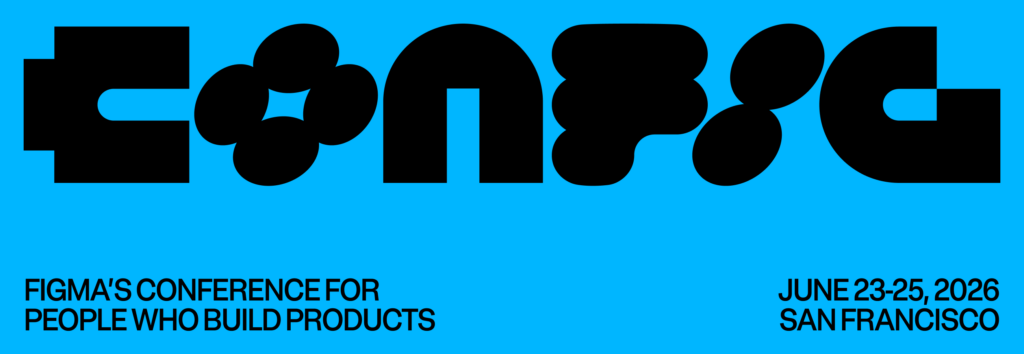
Figma has opened ticket sales for Config 2026, taking place June 23–25 in San Francisco, with early-bird passes currently available at 50% off. For design leaders, product owners, engineering managers, and anyone responsible for digital experience or workflow optimisation, this is the annual event that sets the tone for where modern product development is heading.
Whether you attend in person or join the free virtual programme, Config has become one of the most influential gatherings in the digital product space — and this year’s edition is likely to be even more important as AI-driven workflows, component-based design, and cross-team collaboration accelerate in every sector.
Why Figma Still Dominates the Product Design Ecosystem
Figma is no longer a “design tool”. It is now the default collaborative environment for:
- Product design and prototyping
- Design systems and component libraries
- Cross-functional collaboration between design, engineering, and marketing
- Enterprise-scale workflow management
- Developer handoff and documentation
Adoption across North America is particularly strong: Figma has become the standard in the US tech ecosystem, used everywhere from early-stage startups to Fortune 500 engineering teams. If you’re working with designers or agencies, they’re almost certainly using Figma daily.
Globally, Figma now sits at the centre of product-build pipelines for companies in SaaS, ecommerce, fintech, healthcare, automotive, media, and education.
Why Executives Should Care About Config
Config isn’t just a design conference. It’s where Figma announces the next wave of tools and integrations that shape how cross-functional teams work.
This matters because:
1. The speed of product development is now the competitive edge.
New features unveiled at Config often accelerate prototyping, testing, and engineering delivery timelines — meaning faster releases and lower costs.
2. AI-driven workflows are transforming design operations.
Last year’s Config introduced AI-powered asset generation, component management, and smarter collaboration. Expect 2026 to push even further into AI-assisted design and product automation.
3. Enterprise integration is becoming mission-critical.
Figma is rapidly expanding its ecosystem of plugins, APIs, and workflows that align tightly with engineering stacks like GitHub, Jira, Storybook, and code repositories.
If your organisation hasn’t fully integrated Figma into your product delivery pipeline, 2026 is the year to close that gap.
Upskill Your Team — or Outsource the Heavy Lifting
Adopting Figma effectively requires more than opening a design file. To extract real ROI, organisations need:
- A robust, scalable design system
- Clean, automated component libraries
- Proper roles, permissions, and governance models
- Aligned design → engineering → QA → product workflows
- Integrated AI automation to eliminate repetitive tasks
- Consistent developer handoff pipelines that reduce friction and rework
There are two strategic options:
1. Upskill your internal teams
Config is ideal for this — your designers, PMs, engineers, and brand teams can learn directly from experts, see best-practice workflows, and come back equipped to modernise the way you ship products.
2. Outsource the integrations and design-ops architecture to Silicon Dales
If you’d rather not spend months restructuring your design stack, we can:
- Build or rebuild your design system
- Create fully-integrated component libraries
- Automate design-to-development workflows
- Implement AI-driven QA and prototyping loops
- Set up design governance and version control
- Connect Figma to the rest of your engineering stack
- Clean up and migrate legacy files
- Train your teams on best-practice use and AI workflows
Most organisations don’t need a full-time design-ops team — they just need the right system in place. We specialise precisely in delivering that.
Should your organisation attend Config 2026?
If design, UX, product development, web platforms, or digital transformation touch your business in any way, the answer is almost certainly yes.
But even if your team can’t attend, you can still position your organisation to benefit from the accelerated workflows and new capabilities Figma is rolling out in 2026.
Silicon Dales can handle the “complex middle layer” — the integrations, automations, governance, and structure — so your teams simply work faster and ship more confidently.